- year old Belgian veterinary surgeon with over 25 years of
professional experience in animal health and production related to
institutional development and strengthening in developing
countries.
Born on 21.09.1965 in Leopoldville (Kinshasa) Congo, Belgian
nationality . Permanent resident of the Republic of South Africa.
Available for new assignments from January 2028 onwards
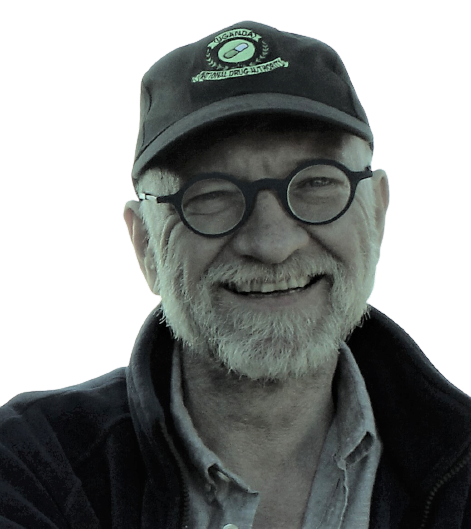
Portrait (c) N. Bastiaensen (2018)
Long-term assignments
Short-term assignments
Countries covered
Peer-reviewed papers


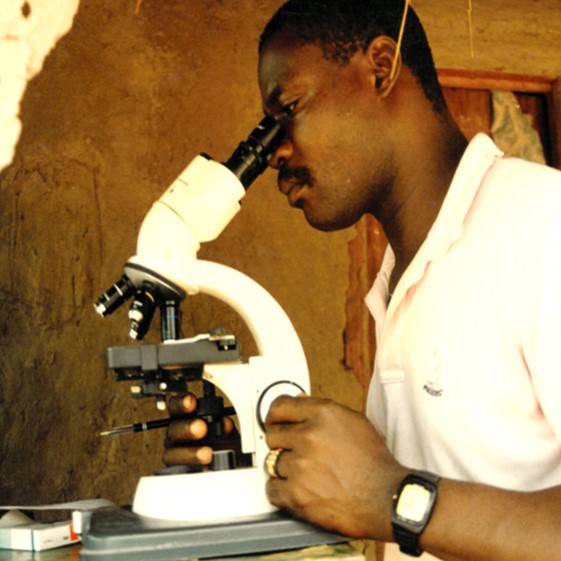
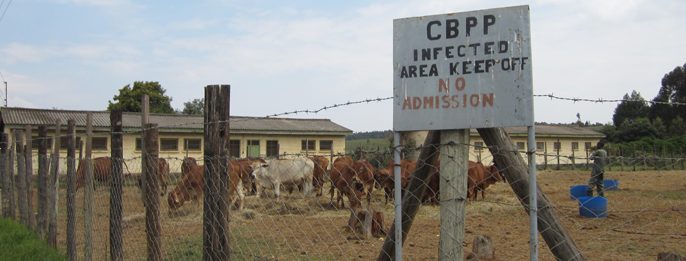
This blog is an outcome of the third Standing Group of Experts’ (SGE) meeting on Contagious bovine pleuropneumonia (CBPP) in Africa, held online from 5 – 7 May 2025, under the aegis of the Africa chapter of the Global Framework for the progressive control of Transboundary Animal Disease (GF-TADs). An in-depth analysis of available date in WOAH’s World Animal Health Information System (WAHIS) provides insight into the distribution of the disease in Africa and the measures that countries (Members) have put in place to monitor the absence/presence or spread of this debilitating lung disease of cattle, caused by Mycoplasma mycoides subsp. mycoides (Mmm).
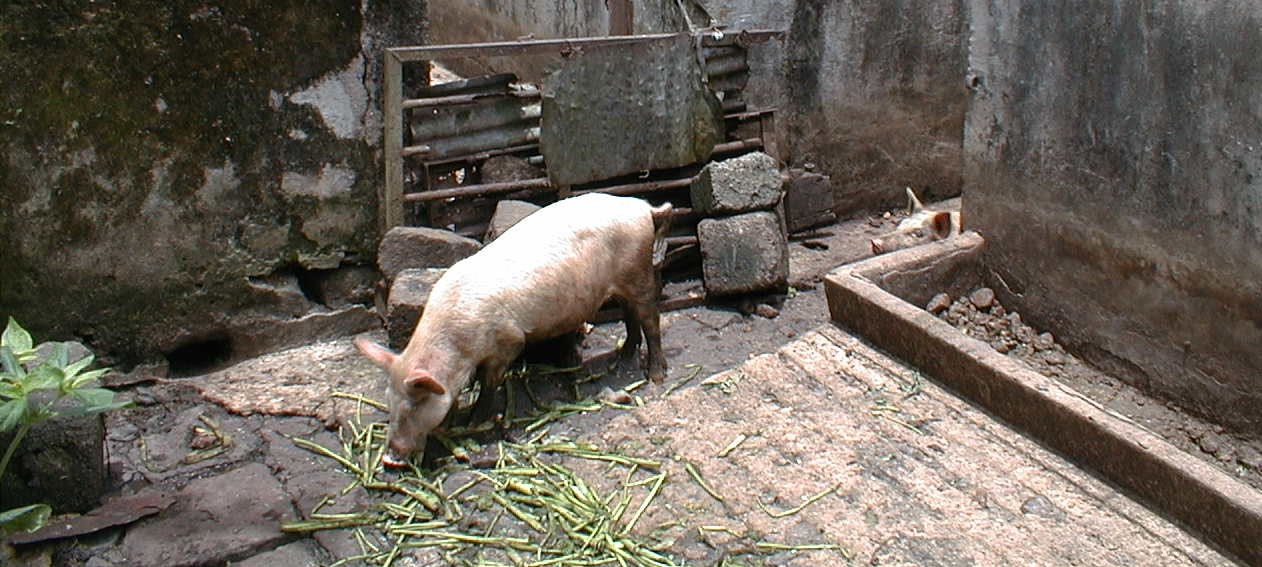
Long-believed to be a truly “African” disease, occasionally affecting the African neighbourhood in southern Europe (Spain, Portugal, Italy) and -in the seventies- a decade-long incursion into a number of Caribbean islands (and Brasil), ASF embarked on an unprecedented invasion of the (rest of the) world around 2006, with a first introduction reported well outside its usual geographical range in the Caucasus, in Georgia in 2007.
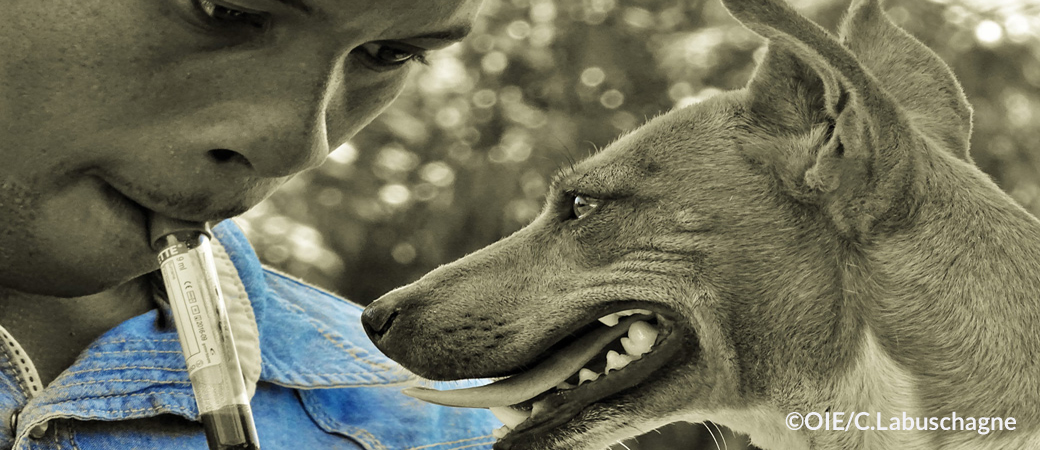
Developing private veterinary practices on a continent where most countries are low- to middle-income, with limited purchasing power (disposable income) and shifting attitudes to pet ownership is a challenge, especially outside of the very large and urbanised centres that host significant expatriate communities.
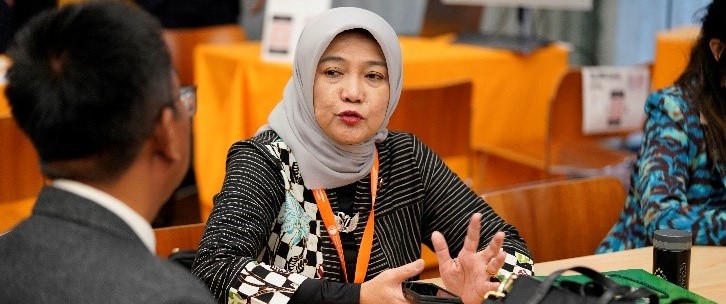
The WOAH Gender Task Force (GTF) was established in 2021 as a voluntary entity within the Organisation to identify current knowledge and competencies related to gender amongst WOAH staff and programmes, build awareness, identify staff training needs, and engage Members (countries and territories) to address gender in Veterinary Services using evidence. The GTF’s “data” workstream started work in early 2023 with the support of the Data Integration Department (DID). The workstream was entrusted with the collection of sex disaggregated data from sources within the Organisation.










Visitors since December 1, 2020